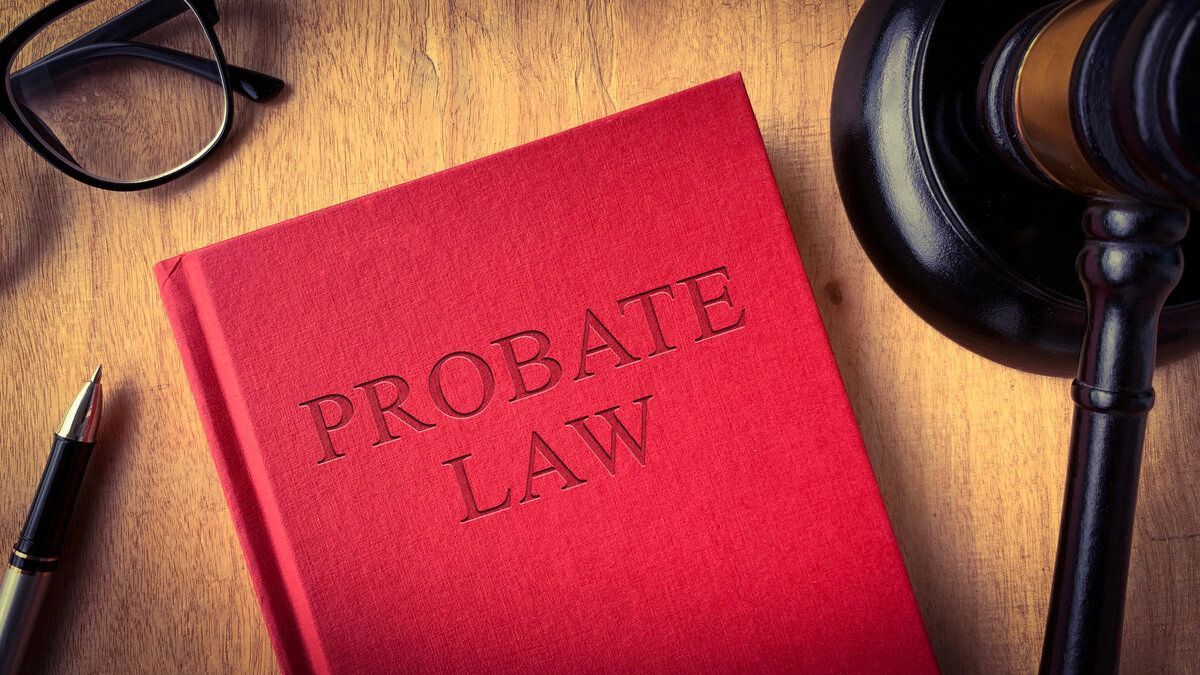
THE PROBATE CHECKLIST EVERY EXECUTOR SHOULD HAVE

David Russ • July 3, 2025

When a person passes away, their estate must be legally transferred to their beneficiaries. This is typically done through the probate process - an administrative procedure overseen by a court of law with its own set of rules and regulations depending on the state. Debts are also paid out during this process as any power attorney granted prior can no longer act in place of them post-death.


Commencing the Process

Determining the estate settlement process for a deceased individual begins with an essential question: did they leave behind a will? If no will is found, it may be worth exploring other avenues. For example, check if any attorneys were used to create one and inquire about access to their safe deposit box if necessary; however, state-specific rules could affect this type of request. 


When a person passes away without creating an estate plan like a will or trust, their assets are handled in accordance with the rules of intestate succession. This simply means that the court follows certain guidelines to ensure all parties involved receive what is due from the deceased’s estate according to applicable state law.


Initiate the Probate Process with the Court

Taking the will to probate court is a straightforward process, whereupon an individual named as executor in the will can be appointed. Following this brief hearing the executor receives "letters testamentary," granting them legal authority and power to act on behalf of their estate.


Surviving spouses are often the first choice to be appointed as estate administrator when there is no will, but other family members such as adult children, parents or siblings may also qualify. In exceptional cases where none of those parties are available or willing to oversee the administration process, a deceased's creditor could potentially take on this responsibility - although they would only do so in absence of any other viable option.


Catalogue the Deceased's Assets and Documents

Appointees must embark on a comprehensive investigative mission to unearth the assets of the decedent. This could range from reviewing bank statements, locating investment and brokerage accounts, uncovering life insurance policies or corporate records to inspecting artwork adorning the walls of his home. Ultimately each asset should be identified in order for them to reach their final destination according to his/her wishes.


As executor, it's the individual's duty to preserve and protect all of the decedent's assets. This includes taking possession of vital paperwork like income tax returns for up to three years prior as well as physical items such as a valuable piece of art. By securing these objects through careful handling or freezing accounts at financial institutions upon notification that their owner has passed away, an executor can effectively secure any potential losses and always have them accessible when needed during probate proceedings. 


Appraise the Value of the Deceased's Assets

Estate settlement involves the vital task of establishing values for assets as if they were sold on the date of a decedent’s death. While cash and other financial accounts can be easily calculated, items such as real estate, jewelry, artworks and collectibles may require expert appraisals to determine their true worth.


To accurately determine the taxation of a decedent's estate, it is necessary to value all non-probate assets. These include provisions like retirement accounts with named beneficiaries and real estate jointly owned by two individuals. Generally speaking, only large estates exceeding $11.2 million are subject to federal taxes; state thresholds tend to be much lower in comparison.


Settle the Deceased's Income Taxes and Estate Taxes

In order to ensure that all necessary expenses are taken care of, it is critical for you to review the estate settlement process and pay any relevant income or estates taxes. This includes filing all required federal/state personal and estate tax returns so that everything remains in compliance with legislative regulations.


Settle the Deceased's Last Bills and Estate Expenses

The executor or administrator is tasked with the important job of settling any debts owed by the decedent at time of death. This may include utilities, insurance premiums, mortgage payments and other expenses related to administering the estate such as legal fees or accounting fees. In addition, notices must be publicly posted in order for creditors not already known to come forward and collect what they are due; however if it can be proven that a debt isn't legitimate then an executor has authority to decline payment.


Allocate the Remaining Estate Assets to the Beneficiaries

Beneficiaries of an estate may be eager to receive their inheritance; however, it is the final step in settling a deceased person's estate. The executor must submit detailed financial transactions for review by the probate court before assets can be distributed under terms of will and court approval can close out an estate.


If no will has been established, the decedent's property is typically passed on to their closest family members based on a predetermined order. Generally speaking, this succession plan puts surviving spouses and children first in line for an inheritance – with other relatives only receiving assets if there are none left over from these groups. Every state has its own specific intestate laws that should be consulted beforehand as one makes plans for future estate distributions. 


Probate May Be Unnecessary in Some Cases

Decedents can pass on their estate without probate in certain circumstances. For instance, if everything is held in trust or has surviving beneficiaries that benefit from it directly, a full-blown probate process may not be required. In addition to this scenario, many states have provisions for handling very small estates—those whose value does not exceed the state threshold.


By David Russ June 7, 2026
Why a Revocable Living Trust is a Smart Estate Planning Tool in North Carolina Many people think trusts are only for families with significant wealth, but a revocable living trust can provide advantages that extend well beyond the overall size of an estate. Depending on your circumstances, this type of trust may help streamline administration, protect assets, and make things easier for the people you care about. Here are several reasons a revocable living trust may be worth considering as part of your estate plan: Maintaining Privacy A will usually must pass through probate, which means it becomes part of the public record. As a result, information about your estate and who inherits your property may become accessible to others. A trust, however, generally remains private and typically avoids probate, helping keep your personal and family matters more confidential. A revocable living trust may also help preserve privacy if you become incapacitated later in life by reducing the chance that a public guardianship proceeding will be required. Making Things Simpler for Loved Ones Working with an attorney now can save your family substantial stress later. Probate is often expensive, slow, and paperwork-heavy. A revocable living trust can offer a more efficient path that reduces administrative burdens and helps ease the process for loved ones during a difficult time. Avoiding a Lengthy and Costly Guardianship Proceeding A guardianship proceeding is the legal process used to determine whether someone can no longer manage their personal or financial affairs. If a court finds that a person is incompetent, it may appoint a guardian, often a family member, to act on that person’s behalf. Guardianship is sometimes described as “living probate” because it can be emotionally difficult, time-consuming, and expensive. A properly drafted revocable living trust can help avoid that process by identifying who may determine incapacity, who will serve as successor trustee, and what powers that successor trustee will have to manage financial matters. Without the right planning, your family may have difficulty accessing funds needed for everyday expenses if something happens to you. A well-drafted trust can help make sure those resources remain available when they are needed most. Protection in the Event of Divorce Because divorce is so common, many estate plans should take it into account. A revocable living trust can be structured to better protect assets left to a surviving spouse or children if they later go through a divorce. In practice, it is not unusual for an adult child to face divorce within a relatively short time after a parent’s death. Sometimes a loss prompts someone to reconsider an unhappy marriage. In other cases, an inheritance provides the financial security needed to move forward. In still others, a son-in-law or daughter-in-law may attempt to claim a share of inherited property during divorce proceedings. Protection From Lawsuits, Bankruptcy, and Creditors When structured appropriately, a trust may also help protect inherited assets from certain lawsuits, creditor issues, and bankruptcy. For example, if a surviving spouse or child were later sued after a serious automobile accident, assets held in trust for that person may be positioned to provide an added layer of protection against those claims. Greater Control You know your family’s needs better than anyone else. A trust gives you more say over how and when property passes to your loved ones. That can be especially helpful when beneficiaries are young, inexperienced with money, or otherwise not ready to manage an inheritance outright. In some situations, a large inheritance can lead to overspending or attract unwanted pressure from others. It is often said that many inherited funds are depleted within a relatively short period of time. By using a trust, you can appoint a trustee to manage the assets, reduce the risk of misuse, and set terms for when distributions should be made. Continuity of Management When an estate includes real estate, business interests, or investment accounts, a trust can help provide uninterrupted management of those assets and reduce the risk of delay or forced sale during probate. Tax Planning Opportunities For married couples with larger estates, revocable living trusts can support planning strategies intended to minimize or avoid estate tax exposure by fully using each spouse’s exemption amount. In evaluating a taxable estate, it is important to consider not only real property and bank accounts, but also investment accounts, life insurance, retirement assets, business ownership interests, and personal belongings. Once all of those items are counted, an estate may be larger than expected. Flexibility and Ease of Amendment Revocable living trusts are generally not difficult to create, and they can usually be updated as your life and goals change. They are also recognized across state lines, which can be especially helpful if you move in the future. Less Vulnerable to Challenges Because trusts are private and operate differently from wills, they are often harder to challenge successfully. And when disputes do arise, the trustee’s discretionary authority can make those claims more difficult to pursue, which is one reason selecting the right trustee matters so much Ongoing Asset Management If a beneficiary is not comfortable handling financial matters, a trust allows a trustee to manage assets on that person’s behalf. This can be particularly useful when the trust holds property located in another state, including out-of-state real estate or business interests. Protection if a Surviving Spouse Remarries For married couples, a revocable living trust can be designed so that after the first spouse dies, the remaining assets stay protected if the surviving spouse later remarries. This can help protect the surviving spouse if that later marriage ends in divorce, while also helping ensure that children and other intended beneficiaries ultimately receive the remaining assets rather than having those assets pass unintentionally to a new spouse. Planning for Blended Families and Later Marriages Blended families and second marriages often create estate planning issues that require extra care. If you have children from a prior relationship, a revocable living trust can be structured to provide for your current spouse during life while preserving the remaining assets for your own children rather than your spouse’s relatives. A trust can also direct that certain assets pass straight to your children instead of to a surviving spouse. Families often use this approach for property they want to remain in the family, such as a vacation home. Planning for Your Own Care Creating a trust during your lifetime can also help you plan for periods of incapacity or other times when you cannot manage your affairs. It allows you to specify who should decide whether you are incapacitated, who should manage your property, and how those assets should be handled. Reducing the Need for Multiple Probate Proceedings If you own real estate in more than one state, your estate may need a separate probate case in each location, which can increase both time and expense. Transferring that property into a revocable living trust may help avoid those out-of-state proceedings. Similar issues can arise even within North Carolina when real estate is located in multiple counties and additional filings are required. Placing that property in a revocable living trust can help reduce that extra probate work. Learn More About Wills and Trusts If you are unsure which planning tools make sense for your situation, you are not alone. Many people feel overwhelmed when they first begin the estate planning process, but informed guidance can make the options much easier to understand. Careful estate and long-term care planning can provide peace of mind, direction, and confidence as you prepare for the future. If your family is exploring trust planning for yourselves or a family member, DSR Legal is available to help you understand the options and move forward with a plan that fits your circumstances. Reach out to our office at (336) 705-6073 or complete the form HERE to schedule a FREE consultation.
Smiling people chatting outdoors in warm golden sunlight, with blurred lights in the background
By David Russ June 1, 2026
Understand key incapacity planning documents like power of attorney & advance directives. Protect your family today!
Family walking with stroller and toddler on a tree-lined park path in autumn
By David Russ May 27, 2026
Learn how to choose the right estate planning attorney in NC. Ask key questions about fees & services to protect your family's future.
Family smiling together around a table in a warm kitchen, sharing a meal or dessert.
By David Russ May 22, 2026
Understand wills, trusts, probate & guardianship for effective estate planning. Contact us for guidance today!
Four people walking along a wooded path in autumn, seen from behind
By David Russ May 20, 2026
Learn essential estate planning steps for unmarried couples. Protect your partner's rights & manage your assets effectively.
By David Russ May 19, 2026
For parents in North Carolina, estate planning is about far more than passing down assets. It is about making sure your children are protected if something happens to you. A thoughtful estate plan can address who will care for your minor children, who will manage money on their behalf, and how those resources will be used to support their future. Many families put off creating a will or trust because it feels like something they can handle later. Unfortunately, waiting can leave important decisions in the hands of the court during a time of stress and uncertainty. Creating an estate plan now gives you the opportunity to make those choices for your family while you are able to do so clearly and intentionally. When parents do not have an estate plan in place, children may face uncertainty about caregiving, finances, and long-term support. A properly prepared will or trust can help reduce confusion, avoid unnecessary conflict, and create a clearer path forward for the people responsible for your child’s care. For many families, that peace of mind is one of the most important benefits of estate planning. Here are some of the key reasons parents should include guardianship planning, wills, and trusts in a comprehensive estate plan. 1. A judge may have to decide who will raise your children. If you have not named a guardian for your minor children, the court may need to decide who will step into that role. That can create delays and disagreements at a time when your family needs stability. Naming guardians in your estate plan helps ensure your preferences are clearly stated. 2. The person caring for your child may also control inherited funds. Without careful planning, the same person who provides day-to-day care may also end up managing your child’s inheritance. Depending on your goals, that may not be the arrangement you want. A will or trust can separate those responsibilities and create a more thoughtful structure for your child’s financial protection. 3. Your child could receive assets too early. If inherited assets are not properly structured, a child may gain direct control over those funds once they reach legal adulthood. Many parents prefer to delay distributions or set conditions that better support education, health, and long-term financial responsibility. Trust planning can help you create that kind of protection. If you are a parent, reviewing and updating your estate plan is one of the most important steps you can take to protect your family. From naming guardians to creating wills and trusts, each decision plays a role in protecting your children and preserving your wishes. A plan that reflects your family’s current needs can provide meaningful protection when it matters most. If you would like to better understand your options, speaking with an estate planning attorney can help you make informed decisions about guardianship, wills, trusts, and long-term protection for your children. If you are unsure who to name as guardian, you are not alone. This is one of the most personal parts of estate planning, and it often helps to talk through the decision with experienced guidance. If you have been putting off estate planning because it feels overwhelming, that is understandable. Starting the process can be easier when you have a clear plan and practical support focused on your family’s needs. Taking action now can make a lasting difference for your children. Putting a plan in place today can help your family avoid uncertainty and provide greater clarity, stability, and protection in the future. If your family is exploring estate planning, DSR Legal is available to help you understand the options and move forward with a plan that fits your circumstances. Reach out to our office at (919) 627-1877 or complete the form HERE to schedule a FREE consultation.
U.S. dollar bills caught in a storm drain grate
By David Russ July 22, 2025
DIY estate planning can lead to costly mistakes for you & your heirs. Get professional help to protect your legacy. Contact us today!
A fountain pen writes “Last Will” on aged parchment
By David Russ July 22, 2025
A will is just the start. Learn about trusts & powers of attorney to protect your loved ones. Contact DSR Legal for guidance.
Red probate law folder beside a gavel and eyeglasses on a desk
By David Russ July 15, 2025
Understand the probate process, including will validation & executor roles. Contact DSR Legal for expert estate planning assistance.
Alarm clock beside a calendar page, suggesting time and scheduling
By David Russ July 3, 2025
Learn the 8 factors causing probate delays. Effective estate planning can help ensure timely settlements for your beneficiaries.
More Posts